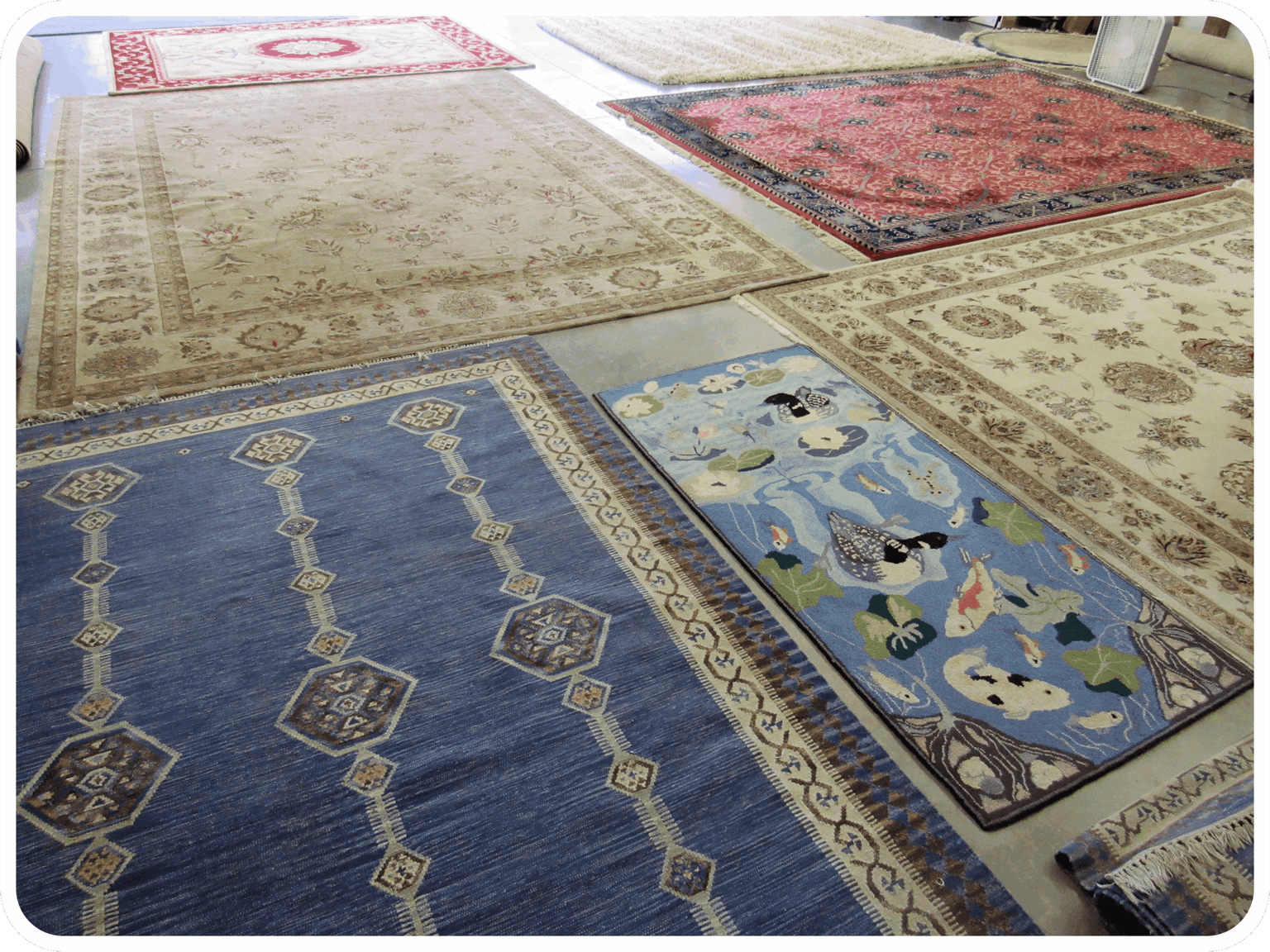
Walk into enough older homes in Shandon, Rosewood, or along Devine Street and you'll notice a pattern. A lot of the Oriental rugs in those front rooms were bought by a grandparent, rolled up for a move or two, and handed down. They carry a family's history along with a few decades of foot traffic.
At Safe-Dry® of Columbia we clean those rugs in your home, on your floor, and we never haul them off to a warehouse. The process is built around one idea: keep water away from the foundation and the dyes.
What makes Oriental rugs different
A hand-knotted rug is a woven object, with every knot tied around a foundation of cotton or wool warps and wefts. The pile is usually wool, sometimes silk, and the dyes may be vegetable-based, synthetic, or a mix. Some are rock stable. Some will run the moment they get too wet.
Heavy water and heat, the usual carpet approach, is risky here. Too much moisture can shrink the foundation, make the rug ripple, pull color from one area into another, or leave the fibers with a brownish tinge as they dry. And in a humid place like Columbia, a soaked rug dries slowly, and slow drying invites mildew.
We clean Persian, Turkish, and other hand-knotted rugs, plus silk, wool, cotton, and machine-made Oriental-style pieces.
Our six-step process
Inspection. We identify the fibers, check how the weave is built, and test each dye in a hidden spot. We note stains, odors, fringe condition, and any worn or damaged areas, then tell you what we plan to do and why, before anything gets wet.
Dry soil. Fine grit settles down near the knots and grinds against the fibers every time someone steps on the rug. We loosen and remove that dust and hair first. Skip this and the grit turns to mud during cleaning.
Spots. Wine and pet accidents get a pre-treatment made with delicate dyes in mind. It loosens the stain and the oils around it without weakening the wool or moving color.
The clean itself. Our solution lifts soil and bacteria away from each fiber and the loosened dirt is extracted. The foundation stays dry, so the rug keeps its shape. Most rugs are back under the furniture the same afternoon.
Odors and allergens. Rugs pick up smells from pets, cooking, and smoke. We go after those at the source with no perfume on top, and the same step knocks down pollen, dust mites, and dander in the pile.
Grooming and a final check. We brush the pile back into its natural direction so it dries soft and even, then look the rug over with you. If anything falls short, we handle it before we leave.
Silk, fringe, and smoke
Silk deserves its own paragraph. It has a gorgeous sheen and very little patience for water or heat. A silk rug, or a wool rug with silk accents in the design, gets a slower, lighter clean with extra attention to how each color behaves during the dye test. Silk also shows traffic wear sooner than wool, so these rugs do best in rooms people mostly walk past.
Fringe is the other trouble spot. On most hand-knotted rugs the fringe is the ends of the warp threads, part of the rug itself. It yellows and frays over time, and a vacuum with a beater bar can chew it up in a single pass. We clean fringe by hand and tell you if it's getting fragile.
Rugs that live under a dining table have a problem of their own: chair legs. The area where chairs slide in and out gets ground down faster than anywhere else on the rug, and food drops right into that zone. Felt pads on the chair feet help a lot, and so does pulling the rug out a few inches past the chairs so the back legs don't catch the edge.
Dining room and den rugs in older houses pick up a surprising amount of smoke and cooking odor, especially when the rug has sat in the same room for twenty years. Our odor step handles most of it.
How to tell a rug is due
Look at the busiest path across it. If the pile there looks crushed, gray, or duller than the edges tucked under the sofa, soil is building up. Run your hand across it against the nap; a gritty feel means sand is sitting down by the knots, cutting fibers a little every time someone walks over it. And if the room smells faintly musty after a humid week in July, the rug is holding something it shouldn't.
A rug cleaned every 12 to 18 months keeps its color and texture far longer than one that waits a decade, and the thin spots and flattened pile that come from years of grit are permanent once they show. There's a health side too. Even a rug that looks clean can hold allergens and bacteria well down in the pile, and getting them out helps a room where kids play or someone has asthma.
Do you pick up rugs?
No, and that's on purpose. You skip the drive, you skip the weeks without your rug, and you can watch the whole job if you like. For the large majority of Oriental rugs in normal household use, a careful in-home clean is the right call, and I'd say that even if we offered pickup.
Where we draw the line: if the dye test shows colors that move, or the rug has broken warps, holes, or a fringe that's coming apart, we stop and point you to a specialist who does repairs. We won't gamble with a family piece.
A pet that has had repeated accidents on the rug may have pushed urine into the foundation. That calls for the live enzyme on our pet odor page, and we can add it during the same visit. Machine-made and synthetic rugs elsewhere in the house are covered under area rug cleaning.
Price and upkeep
Oriental rugs qualify for $25 off; the current offer is on our coupons page. The tech gives you a written price after the inspection and before any cleaning begins. If you don't like how the rug looks when we're done, we clean it again at no charge.
You pick an exact appointment time when you schedule online, with no four-hour arrival window, or call 803-310-3848 any hour. Questions about a specific rug can go through the contact page.
Between cleanings, rotate the rug once or twice a year so sun and traffic even out, keep it out of direct afternoon light where you can, and blot spills with a white cloth and plain water. On the fringe, turn the beater bar off or use the hose attachment. That one habit saves more fringe than anything we do.